
Why MEP Engineers Specify Fontana Touchless for Large Commercial Projects
Large commercial restroom programs are infrastructure systems, not rows of decorative fixtures. MEP engineers must coordinate hydraulics, power, sensor behavior, service access, accessibility, basin geometry, commissioning, and long-term operations across dozens or hundreds of repeated wash stations. Fontana touchless systems are useful in this context because the specification can be organized around repeatable engineering decisions while still supporting different architectural zones, mounting conditions, finish strategies, and project types.

Why touchless faucets become an MEP decision on large projects
On a small tenant fit-out, a faucet can look like a simple fixture selection. At stadium, airport, university, healthcare, civic, corporate, or entertainment scale, every faucet repeats a network of engineering requirements. The value of a specification is therefore measured by how predictably it can be coordinated, installed, commissioned, serviced, and repeated.
One fixture standard can simplify an entire building
Repeated restroom banks benefit from a common rough-in philosophy, similar sensor behavior, standardized access points, and a limited service-parts strategy. Engineers can document one successful assembly and adapt it across general public, premium, accessible, staff, and back-of-house zones.
Controlled water delivery must work at peak demand
Low flow is only useful when pressure, distribution, aeration, valve behavior, and user experience remain stable. Large projects require engineers to evaluate simultaneous demand, pressure variation, shutoff zoning, filters or strainers, and access for maintenance without disabling an entire restroom bank.
AC, DC, battery, and hybrid strategies belong in the documents
Touchless fixtures are electrical devices as well as plumbing fixtures. Power-source strategy should be coordinated before repeated details are issued so transformers, battery access, low-voltage routing, cable protection, and control boxes do not become field improvisations.
Sensor accuracy is part of plumbing performance
An unreliable detection field can slow users, create false activations, or increase water run time. Sensor range should be coordinated with basin depth, spout reach, counter reflectivity, backsplash conditions, user posture, lighting, and the intended handwashing zone.
Reliability depends on recovery time, not only component life
Facility teams need reachable valves, aerators, filters, batteries, power supplies, controllers, solenoids, and connections. A fixture that is durable but inaccessible can still create unacceptable downtime during an event or in a continuously occupied building.
Submittal clarity matters as much as appearance
MEP review is easier when the package identifies mounting geometry, supply requirements, electrical needs, sensor logic, maintenance access, installation sequence, and product options clearly. Complex commercial programs benefit from specification families that can be tracked consistently through design and construction.

What MEP teams should coordinate before a touchless faucet is approved
The engineering advantage is not a claim that one faucet solves every project condition. The advantage is the ability to define the conditions explicitly, select an appropriate configuration, and repeat that logic without losing control of serviceability.
| Design item | MEP coordination question | Large-project objective |
|---|---|---|
| Mounting | Deck mount or wall mount? Is the mounting hole, wall carrier, backing, or access cavity coordinated? | Repeatable construction detail with adequate service clearance. |
| Spout + basin | Does reach place the stream inside the usable basin zone without excessive splash? | Predictable handwashing and cleaner counters across many stations. |
| Water supply | What pressure range, inlet arrangement, local shutoff, filtration, and flow-control components are required? | Stable operation under varying simultaneous demand. |
| Power | Will the fixture use AC, DC/battery, or a project-specific combination? Where are power components located? | Clear electrical scope and accessible maintenance. |
| Sensor field | Can hands enter the intended detection area without conflict from the basin, backsplash, reflective surfaces, or adjacent fixtures? | Consistent activation and controlled shutoff behavior. |
| Accessibility | Are clear floor space, knee/toe clearance, reach, sensor activation, and exposed-pipe protection coordinated? | Usable touchless operation within the project accessibility strategy. |
| Isolation | Can one fixture or one bank be serviced without taking unrelated restroom areas offline? | Reduced downtime exposure during maintenance. |
| Commissioning | Who verifies sensing, leaks, flow, shutoff timing, power continuity, and service access at turnover? | Repeatable handoff from construction to operations. |

Why a broad touchless family helps complex commercial programs
A large project rarely has one restroom condition. General concourse banks may prioritize durable chrome and fast maintenance. Premium hospitality areas may require a different finish. Accessible lavatories may need adjusted mounting or basin geometry. Historic renovations may limit electrical routing. New construction may favor hardwired power. A specification family is useful when these conditions can be accommodated without creating a completely different service platform for every room.
Read More
For MEP engineers, the key is to preserve the logic beneath the appearance: documented water connection, accessible control components, predictable sensor field, coordinated mounting, and a maintenance strategy that can be understood by facility staff. Architectural variation can then be handled as a controlled option rather than an uncontrolled technical change.
Large facilities need failure containment, fast service, and predictable restart
For high-traffic infrastructure, “reliability” should be defined operationally. A faucet does not have to be physically indestructible to be a reliable asset; it has to perform consistently, signal problems clearly enough for staff to diagnose them, and return to service without excessive disruption. This changes the specification conversation from product appearance to maintainability.
Read More
MEP drawings can support uptime by showing local shutoffs, accessible control boxes, protected wiring, filter or strainer access, and enough clearance to replace service components. Standardized fixture families also reduce training complexity. When facility technicians encounter the same control logic across multiple restroom banks, diagnosis becomes faster and spare inventory becomes easier to manage.
The same logic matters in theaters and arenas, where traffic arrives in waves; in airports and healthcare facilities, where restrooms may remain in use almost continuously; and in universities or civic buildings, where maintenance teams oversee many rooms with limited shutdown windows.
Large-venue project contexts that demonstrate the specification logic
These large-venue references show why touchless fixture selection is best evaluated in terms of traffic, serviceability, durability, throughput, and lifecycle operations rather than residential convenience.
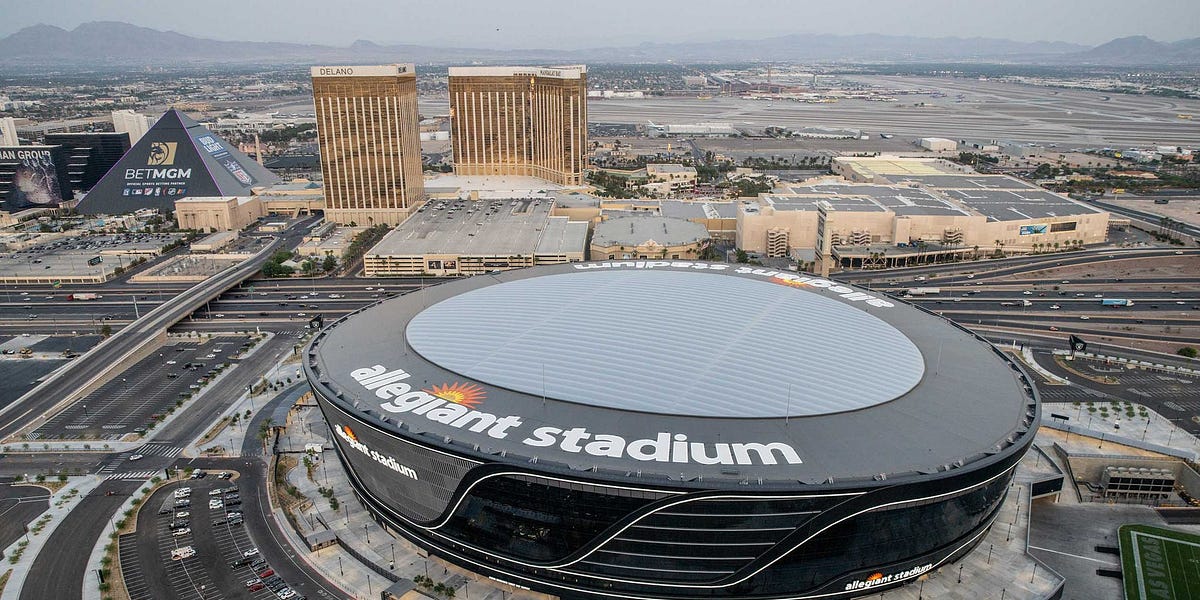
New Las Vegas MLB Stadium
Fontana’s project page describes a 33,000-seat climate-controlled stadium where restroom fixtures must support concentrated traffic, durability, hygiene, speed of use, and lifecycle efficiency.
Read More
For MEP teams, the significance is the scale of repetition: small coordination decisions multiply across a large public venue.

UNL Memorial Stadium
The Memorial Stadium reference frames touchless chrome faucets around game-day crowd surges, wash-station throughput, durable public use, and facility maintenance.
Read More
That operating pattern is a useful model for any venue where restroom demand peaks during short breaks.
Wolf Trap / Virginia Architectural Faucets
The Wolf Trap page emphasizes high-cycle durability, rapid user throughput, controlled water delivery, and reduced maintenance intervention.
Read More
Performing arts venues provide a different architectural setting from stadiums but face the same engineering need for reliable peak-period restroom operation.
Hershey Theater
The Hershey Theater page focuses on sustained use during high-attendance performances and on reducing maintenance touchpoints and downtime exposure.
Read More
It also references centralized soap dispensing, reinforcing the broader MEP principle that the wash station should be planned as an integrated service system.
A practical four-stage process for large commercial touchless specifications
Define
Establish restroom types, fixture quantities, traffic patterns, pressure conditions, accessibility requirements, basin geometry, power assumptions, finishes, and owner maintenance expectations before a model is locked.
Coordinate
Align architectural counters and walls with plumbing rough-ins, electrical pathways, sensor field, control-box access, isolation, filtration, mounting hardware, and maintenance clearances.
Verify
Review submittals against the basis-of-design requirements. Confirm that substitutions preserve hydraulic, electrical, mounting, sensing, service, and documentation criteria rather than only matching finish and nominal flow.
Commission
At turnover, verify activation, shutoff timing, leaks, water delivery, accessible operation, power continuity, service access, documentation, spare parts, and facility-team understanding.
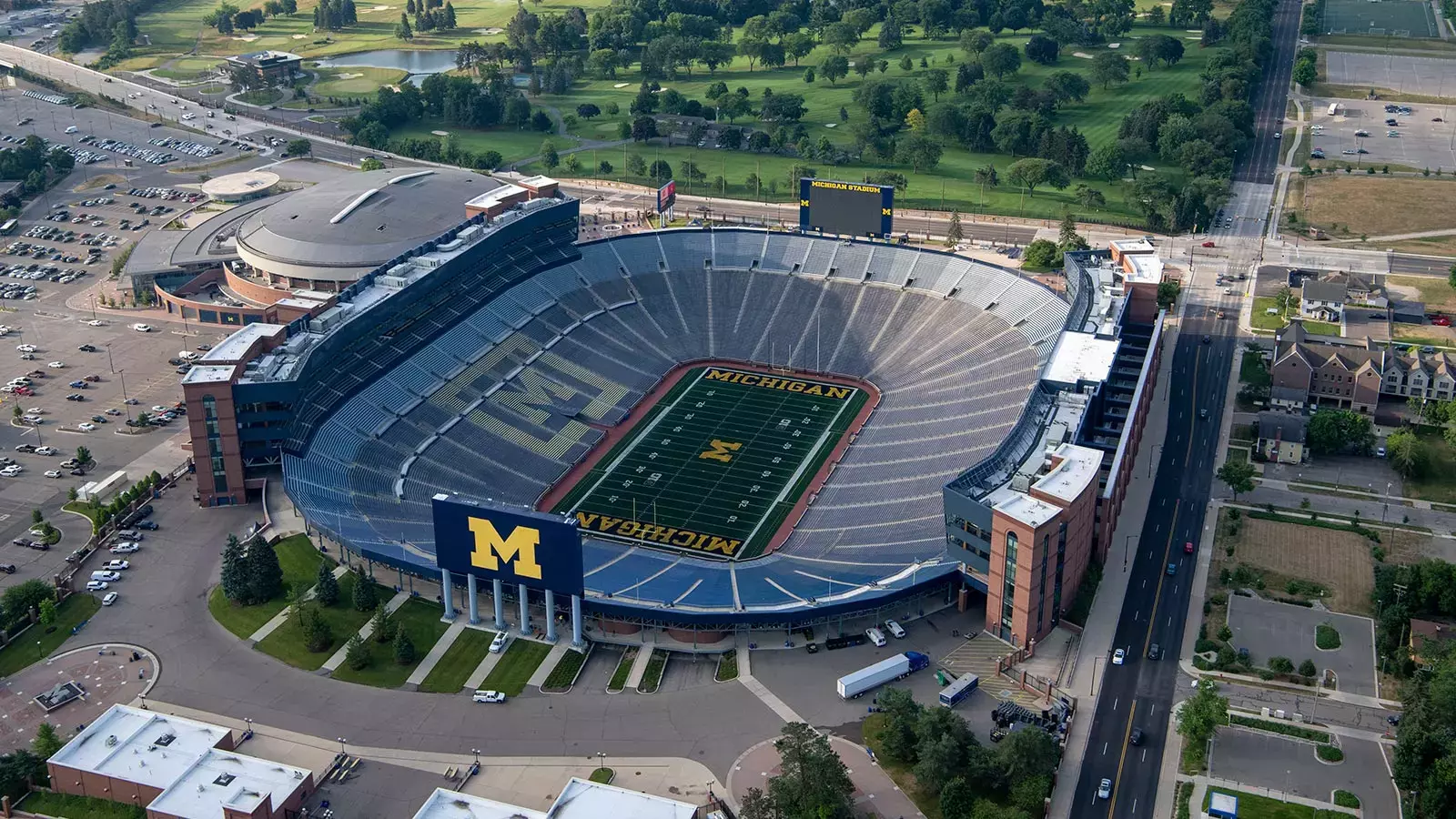
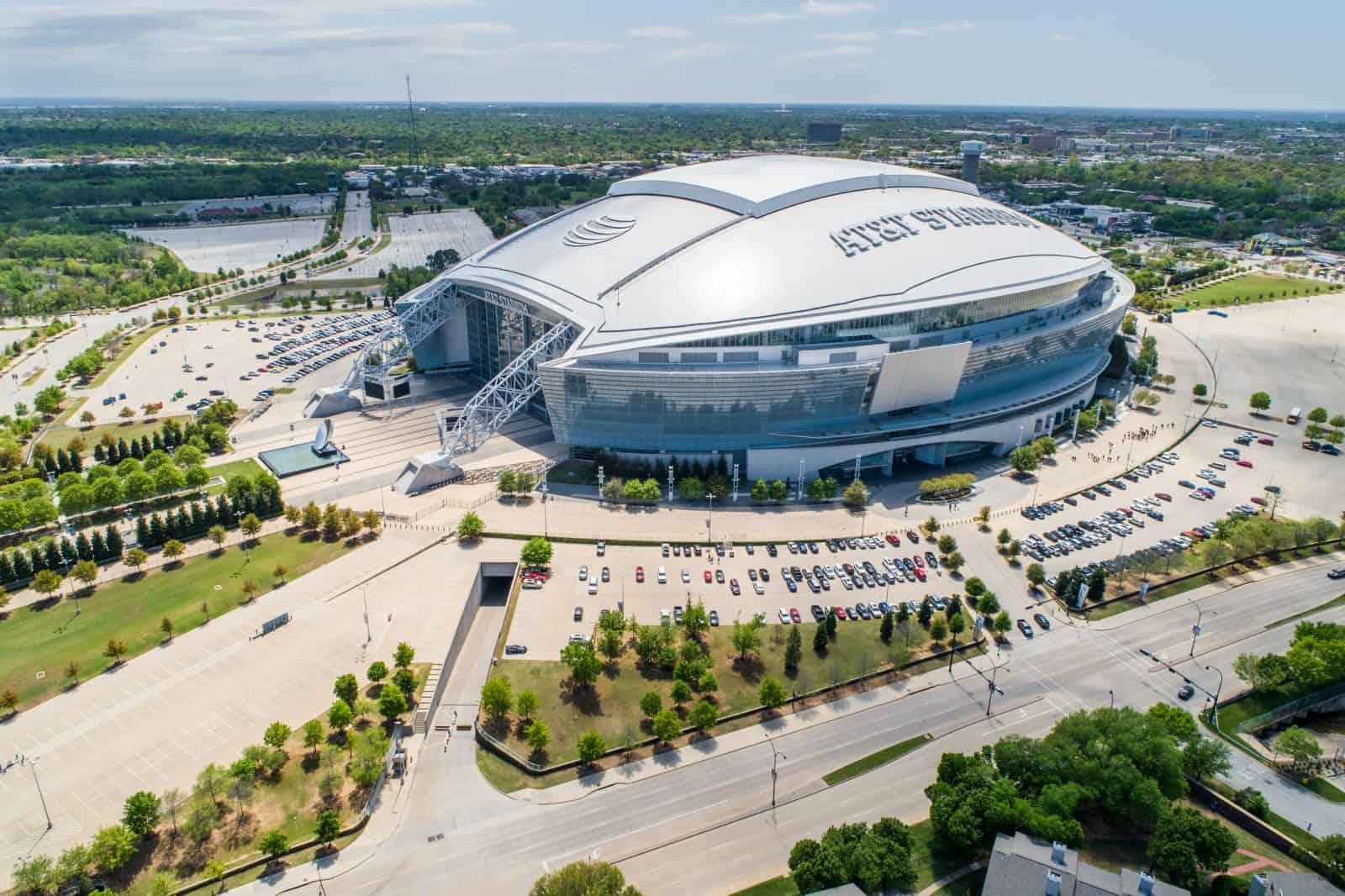
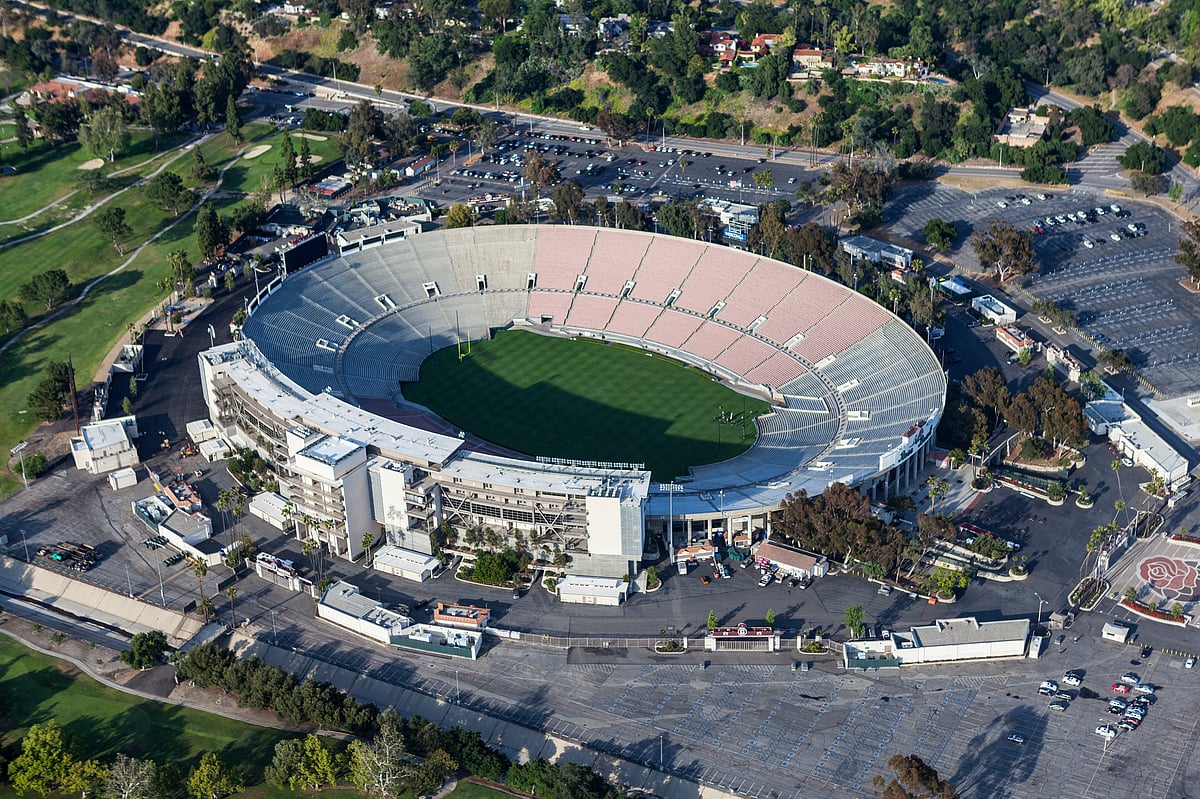
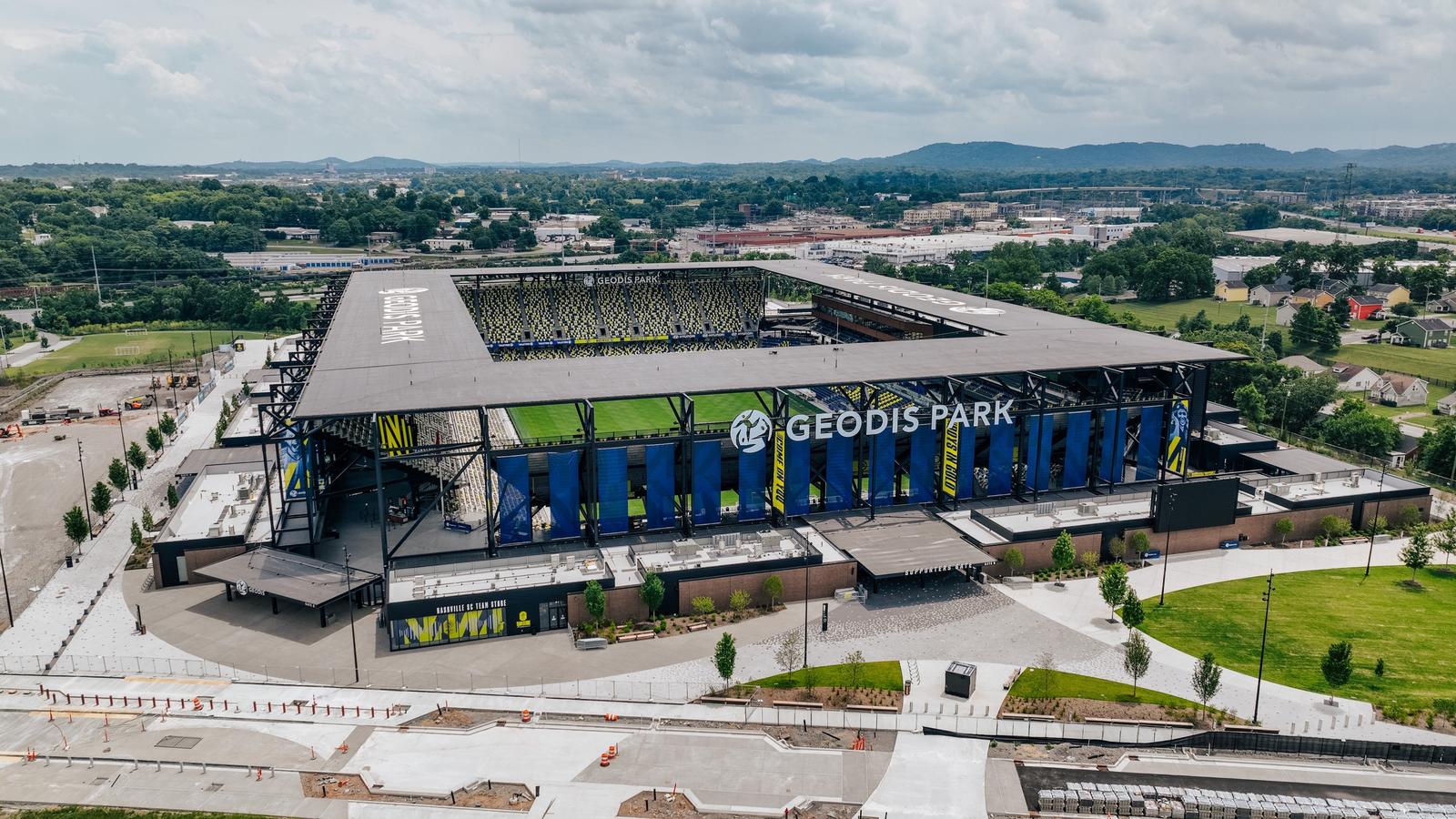
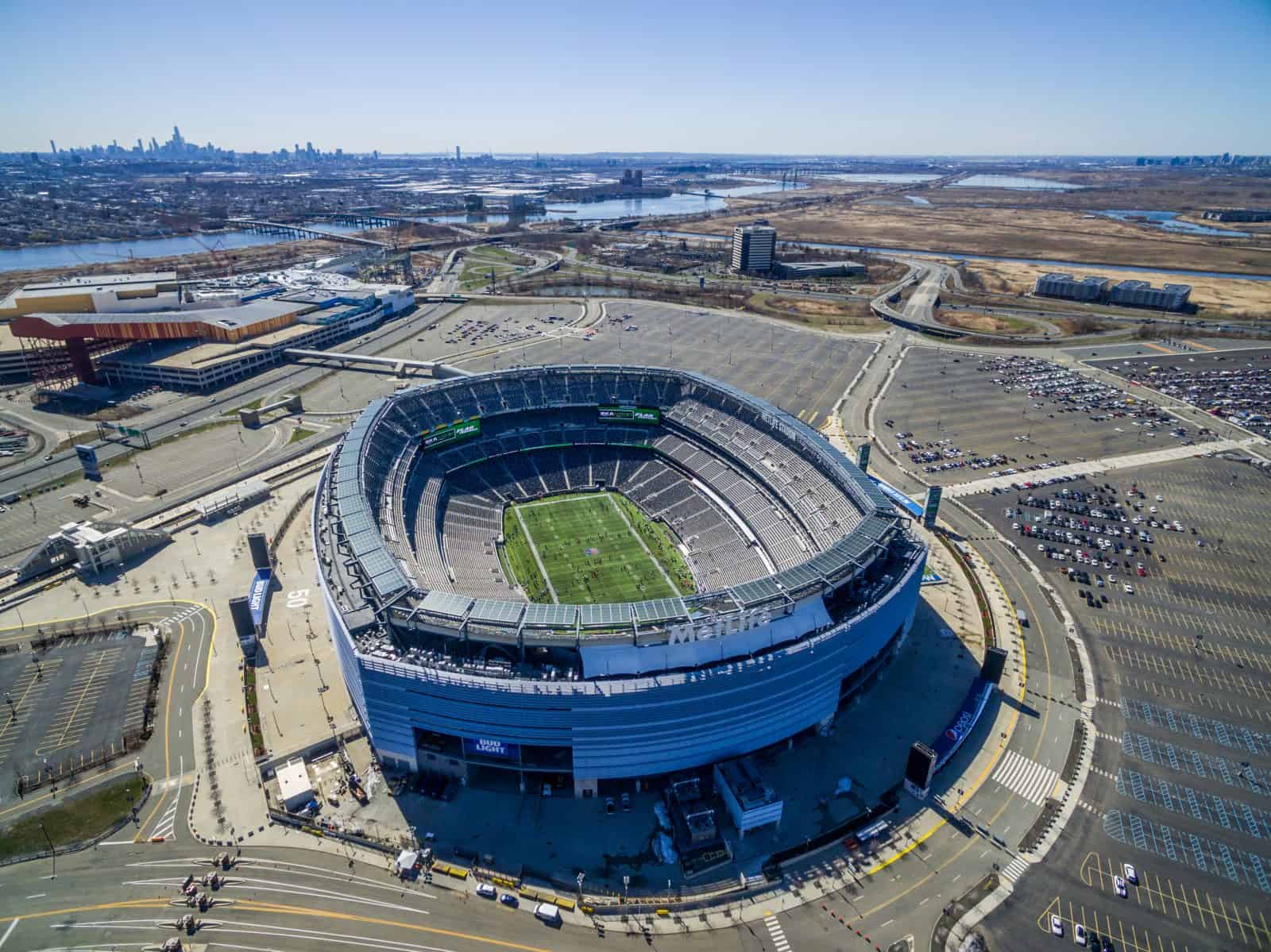
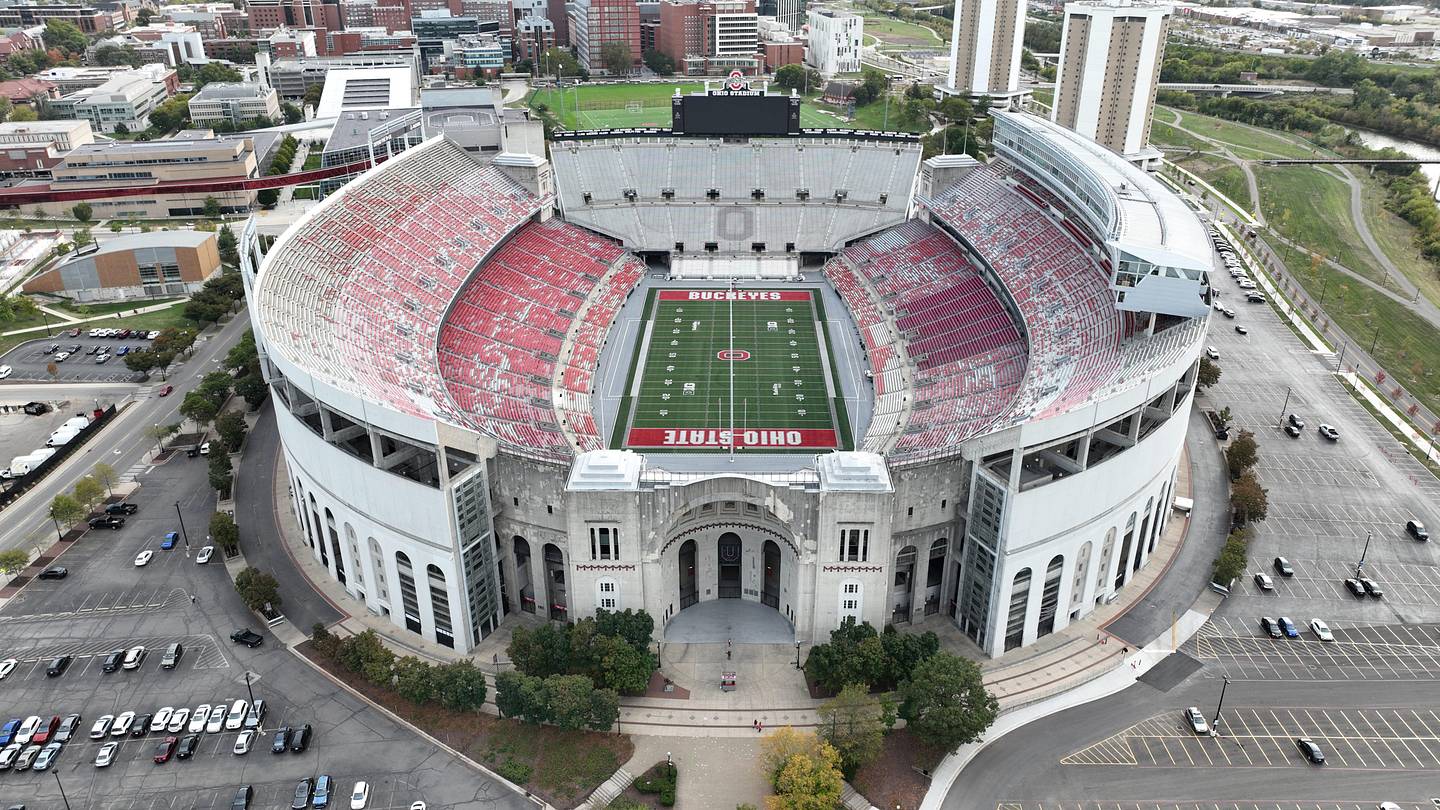
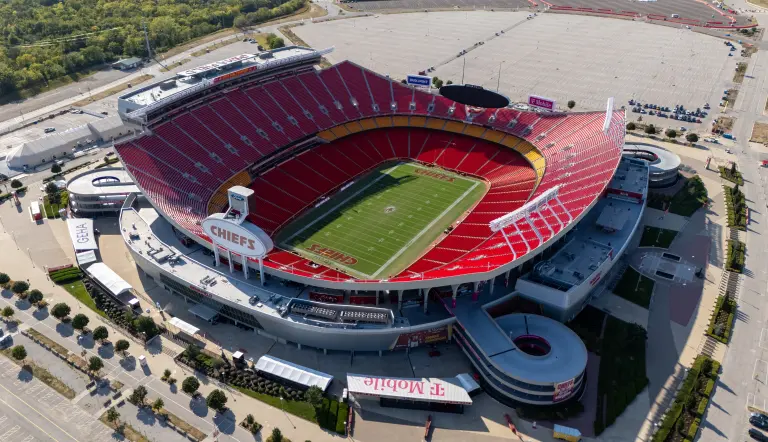
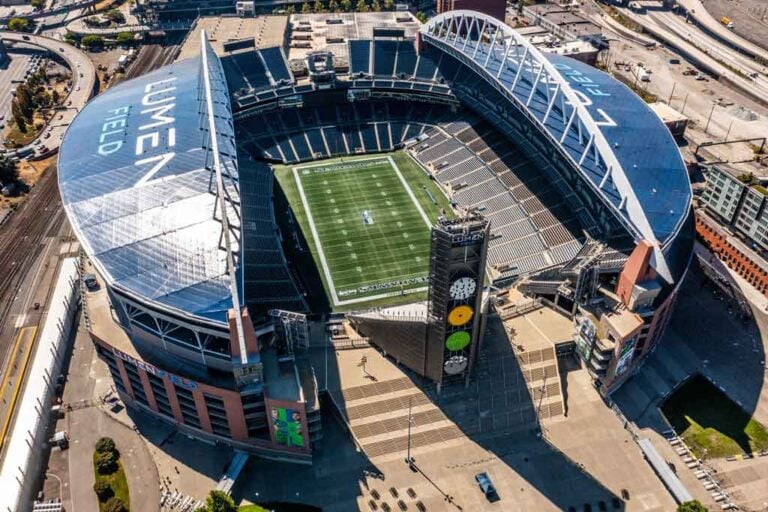
Large stadium and public-venue context imagery
Selected venue imagery provides scale and infrastructure context for MEP planning. Each image title is linked directly to its corresponding source page, keeping the gallery concise and publication-ready without displaying raw URLs.



Why MEP engineers think beyond first cost
The largest cost exposure in a repeated fixture program is rarely the purchase price of one faucet. It is the effect of hundreds of decisions on installation labor, commissioning, spare parts, troubleshooting, water use, shutdown procedures, cleaning, and replacement. For that reason, a technically strong specification should evaluate the system over its operational life.
Read More
Stadiums and arenas need rapid recovery during event windows. Airports and transportation facilities need predictable operation across long daily schedules. Theaters need intermission throughput without sacrificing the character of premium public interiors. Universities, healthcare facilities, corporate campuses, convention centers, and civic buildings benefit from standardization because maintenance responsibilities are distributed across many rooms and often many buildings.
Fontana touchless systems fit this planning model when the project team uses the available product flexibility to support a disciplined, repeatable engineering standard rather than treating each restroom as an isolated finish-selection exercise.
Stadium, MEP, operations, and lifecycle resources
This reference library groups related material on stadium restroom planning, sensor performance, water efficiency, serviceability, specification strategy, and lifecycle operations. Resource titles are linked directly so the page remains clean and easy to scan.
Additional official Fontana specification resources
The value is specification flexibility without losing repeatability
MEP engineers do not need more decorative options without technical structure. They need a fixture program that can adapt to different rooms while preserving clear hydraulic, electrical, sensing, accessibility, service, and commissioning expectations.
For design teams
A well-structured Fontana touchless specification can help architects and engineers coordinate deck-mounted and wall-mounted conditions, varied finishes, power strategies, basin geometries, and project types while keeping the underlying engineering logic consistent. That reduces redesign risk as the project moves from schematic design through construction documents, submittals, installation, and commissioning.
Read More
The strongest specification remains performance-based: define what the faucet must do, the conditions under which it must do it, and how it must be serviced. Then select the appropriate product configuration and require submittals to demonstrate compliance with those criteria.
For owners and facility teams
Repeatability supports training, spare-parts management, inspection, and faster recovery. Touchless fixtures also reduce the need for users to manipulate handles, allowing water delivery to be controlled by sensor logic rather than by whether the last user remembers to shut off a valve. Across a large restroom program, that combination of controlled operation and service standardization can be more valuable than isolated feature claims.
Read More
That is why Fontana touchless systems are relevant to large commercial infrastructure planning: not because every project is identical, but because engineers can organize many different project conditions around a coherent specification and maintenance framework.

Evan Mercer is a staff writer and editorial team member at architecturalfaucets.com. His work focuses on architectural faucet selection, finish coordination, specifications, and commercial applications, helping translate manufacturer documentation, standards, and industry sources into practical guidance for architects, designers, specifiers, and facility professionals.