
Material and finish are so much more than surface details in faucet specification for architectural projects-they are critical design levers that affect aesthetics, longevity, and user experience. To the professionals sourcing or specifying through ArchitecturalFaucets.com, this article explores the dominant finish and color trends shaping 2025 and provides a clear framework for architects, designers, and specifiers.
Faucet finishes hero image placeholder

Why Finishes and Colors Matter in Faucet Specification
A faucet’s finish will affect not only its appearance but also its performance over time—determining resistance to tarnish, ease of maintenance, and harmony with surrounding materials. As one industry source says:
“Today, faucets define modern bathroom aesthetics from touchless to custom finishes.
Source:
This means alignment of form with function, durability, and design intent in specifying the right finish for architects, particularly in tough maintenance spaces or with public exposure.

1. Dominant Finish Trends for 2025
Matte, Low-Sheen, and “Quiet Luxury” Finishes
Matte finishes, especially matte black, continue to dominate 2025 design palettes; however, the aesthetic is diversifying with new alternatives such as graphite, dark pewter, and matte white.
Sources:
Trends include:
- Matte Black: timeless, modern, and minimalist.
- Graphite / Hard Graphite – a softer, luxury-grade alternative to black.
- Matte White: Lightness and calm, perfect for Scandinavian or wellness-inspired interiors.

Warm Metallics and Mixed Metals
Finishes of brushed gold, champagne bronze, and blush brass are quickly surpassing cooler tones in high-end spaces. Architects favor their richness of material, soft reflectivity, and how they harmonize with stone and wood textures.
References:
The so-called mixed-metal palette is also hot—brushed gold and black, bronze and stainless steel together that combine and layer for visual contrast.

Chrome and Polished Finishes Return
While matte has been the go-to for nearly a decade, high-polish finishes-most notably chrome and polished nickel-are making their resurgence. The “return to shine” takes its cue from art-deco and postmodern design, touting reflective materials in modern bathrooms.
Reference:
Once more, chrome is appreciated for its versatility, timelessness, and strength when combined with natural tactile materials like rattan or stone.

Statement Colors and Specialty Coatings
Beyond metal tones, color-accent faucets are entering architectural catalogs to emphasize identity. Boutique brands now offer finishes in navy, forest green, graphite blue, and terracotta, targeting design studios and high-end hospitality.
Sources:
These designer hues work great with neutral backgrounds and create focal points when used in minimalist settings.

2. Specification Considerations for Architectural Contexts
Finish Durability and Maintenance
Operational demands on space: The architects must consider this.
- Matte finishes conceal fingerprints but can show scratches or wear if they are not correctly coated.
- A polished finish requires regular maintenance to avoid water spotting.
- PVD finishes offer the best durability and abrasion resistance; this is now the technology of choice for premium architectural specifications.
References:

Finish Coordination and Mixed Metals
Limit the number of metallic tones within one zone for a balanced visual look. Most interior designers will recommend a maximum of three finishes per space.
Reference:
For instance:
- Matte black faucet with brushed gold handles
- Chrome fixtures featuring warm brass accents
When mixing finishes, the manufacturer should have on record coating process, warranty, and variance tolerance in tone.

Lifecycle and Replacement Availability
Architectural specifications should check that selected finishes form part of permanent manufacturers’ palettes-not limited edition-so that replacement parts and aesthetic continuity can be achieved during refurbishment.
- Always ensure consistency of finish code in specification sheets.
- Document cleaning and maintenance requirements in project manuals.

Sustainability and Environmental Performance
Finishes that resist wear and chemical corrosion contribute directly to sustainability by extending lifespan. Manufacturers’ demand:
- Finish durability data such as salt-spray or abrasion resistance testing.
- Documentation of PVD or low-VOC coating processes.
- Environmental Product Declarations if pursuing LEED or WELL certifications.
References:
Sustainability finishes image placeholder

3. Key Themes for 2025 Projects
Graphite and dark steel finishes—these bring a sharp, high-contrast look to modern interiors. Blush brass and champagne bronze offer a softer, more luxurious feel that works perfectly with natural materials. Chrome’s making a comeback too, bringing that clean, bright shine back into minimalist bathrooms. Mixed-finish faucets are on the rise, letting designers create unique pairings for hotels or custom homes. And if you want to make a statement? Jewel-tone faucets add a splash of color right where you need it.
Durability-First Finishes: PVD coatings for lifespan in public or high-traffic applications. Source: Open Source ↗

Specifier Checklist: Faucet Finishes and Colors 2025
- Define project finish palette: e.g., PVD Brushed Gold; Graphite Matte; Polished Chrome.
- Request documentation of finish code, coating type, thickness and warranty period.
- Align finish choices with other metalwork: lighting, cabinet pulls, accessories.
- Check cleaning requirements for all finishes.
- Specify sustainable coating processes: PVD, low-VOC.
- Require manufacturer proof of on-going finish availability.
- Include finish maintenance instructions within the facility manual.
- Review mock-ups under real lighting conditions to confirm accuracy of tone.

Technology Finishes and Smart Faucet Design Trends
Alongside traditional metal finishes, smart faucet technology is influencing the next generation of architectural finishes. Touchless faucets increasingly combine advanced sensor systems with durable coatings such as PVD brushed gold, matte black, graphite, and satin stainless steel. These finishes not only support contemporary aesthetics but also improve resistance to corrosion, fingerprints, and frequent cleaning in high-use environments.
For architects and designers, the integration of technology with finish selection has become a key specification factor. Smart faucets are often chosen not only for their automation and water efficiency but also for how their finish interacts with surrounding materials such as stone countertops, ceramic basins, or brushed metal accessories. Selecting finishes that balance durability and visual harmony ensures the fixture performs well throughout its lifecycle.
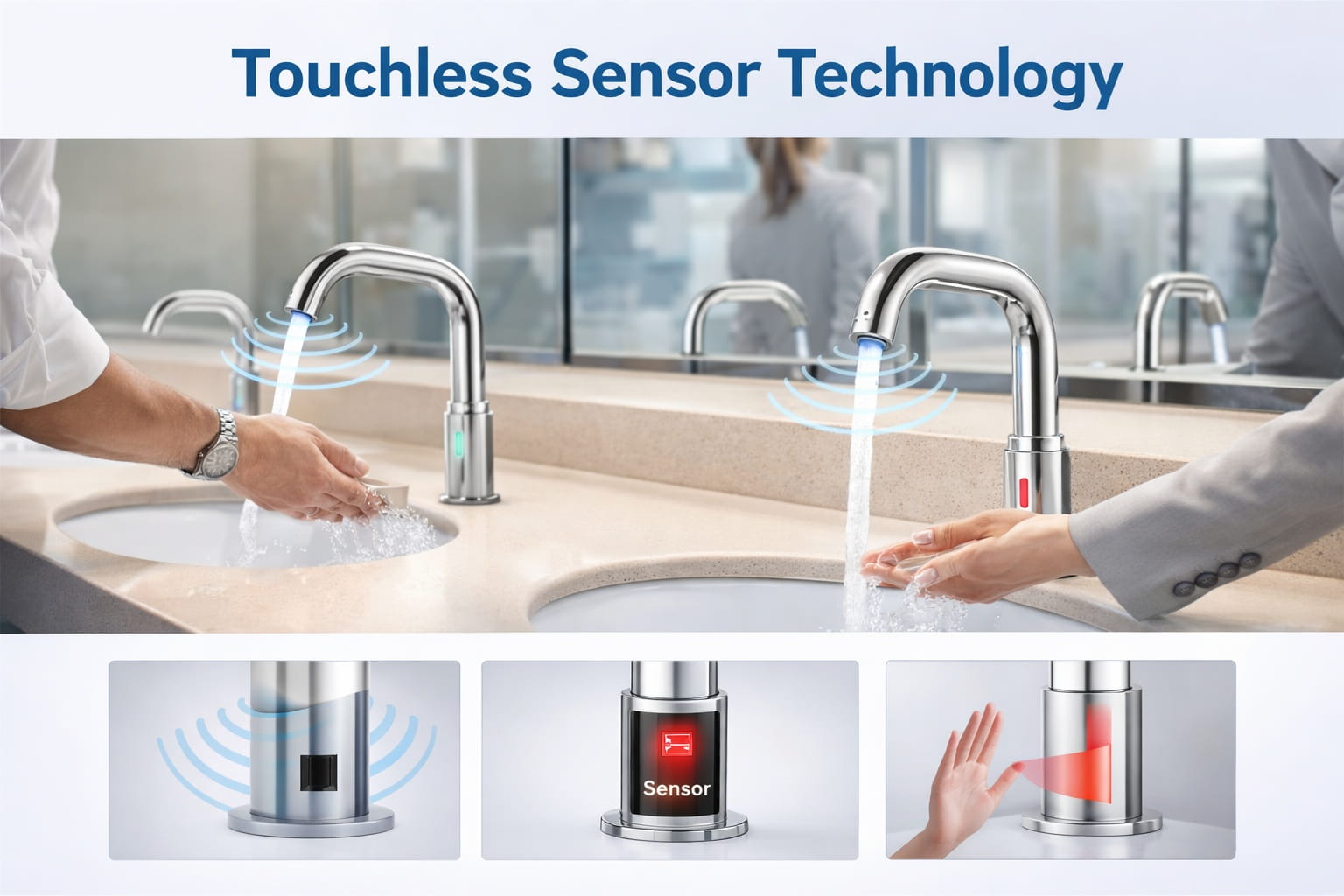
As architectural trends move toward both performance-driven and visually refined spaces, smart faucet finishes will continue to evolve. Durable coatings, subtle metallic tones, and matte surfaces are expected to remain dominant, allowing designers to combine advanced plumbing technology with cohesive interior design palettes.
Conclusion
To this end, finish has become as important as form for architects and designers in specifying faucets. The 2025 trend landscape brings together matte minimalism, warm metallics, recycled sustainability, and renewed reflectivity. For architectural teams, specifying durable, maintainable, visually consistent finishes-supported by manufacturer data and environmental credentials-means faucets can take on both functional and aesthetic roles.


Karim Rashid is a globally celebrated industrial designer and creative visionary known for redefining contemporary interiors, product design, and commercial environments through his signature philosophy of “Sensual Minimalism.” With thousands of designs produced worldwide, his influence on the AEC industry spans hospitality, retail, residential, and public infrastructure projects where bold aesthetics, ergonomic functionality, and technology-driven experiences intersect. Karim’s expertise includes architectural interiors, furniture systems, lighting, bathroom fixtures, and immersive commercial spaces that combine fluid forms, vibrant materials, and user-focused innovation. Through his futuristic design approach and emphasis on accessible luxury, he provides valuable insight into modern restroom aesthetics, experiential commercial environments, integrated smart design solutions, and the evolving relationship between technology, emotion, and the built environment.