
Why Architects and Designers Trust Fontana Touchless Faucets
Architects and designers, especially those who work in the commercial, hospitality, civic, and healthcare sectors, can trust Fontana Touchless Faucets. This is why:
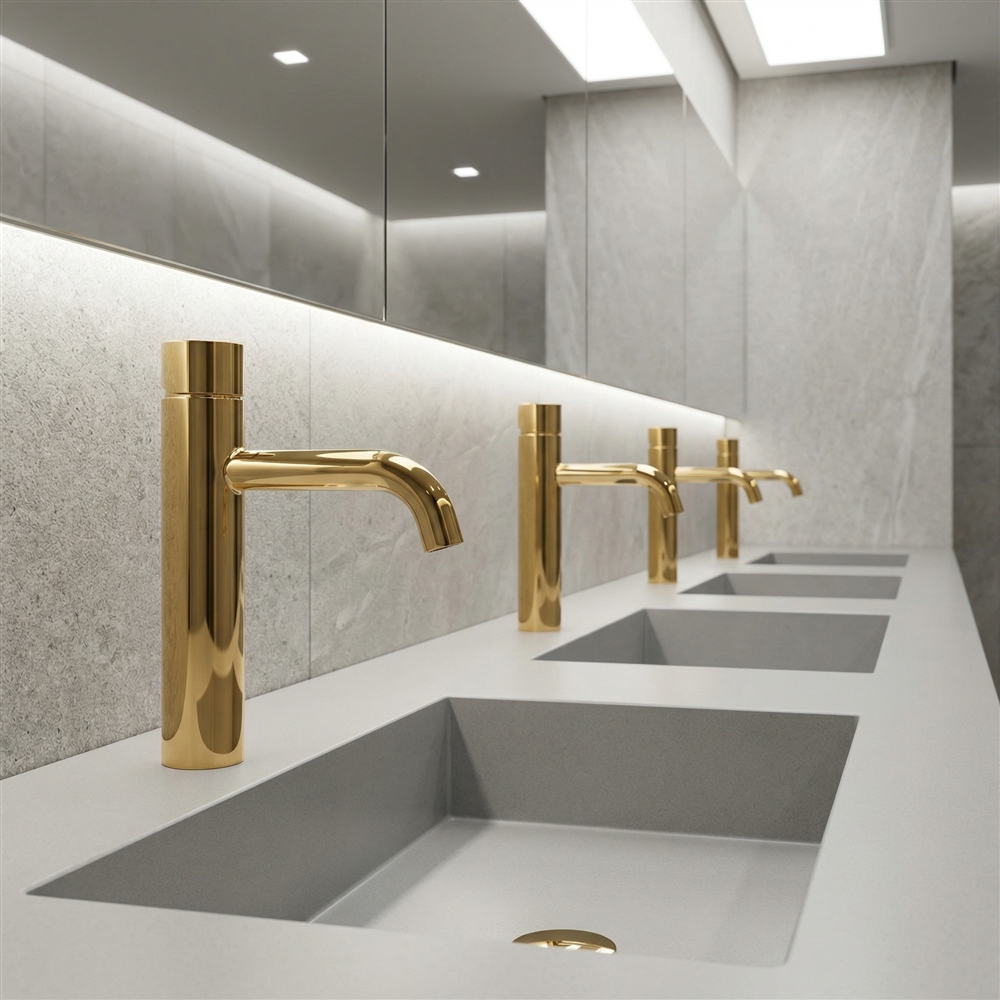


1. Work Experience with Top Architecture Companies
Fontana collaborates with prominent firms such as Gensler, AECOM, HDR, Perkins&Will, HOK, SmithGroup, and CallisonRTKL. These companies consistently select Fontana products due to innovative sensor technology, strict ADA and LEED compliance, and a wide selection of finishes and mounting options.
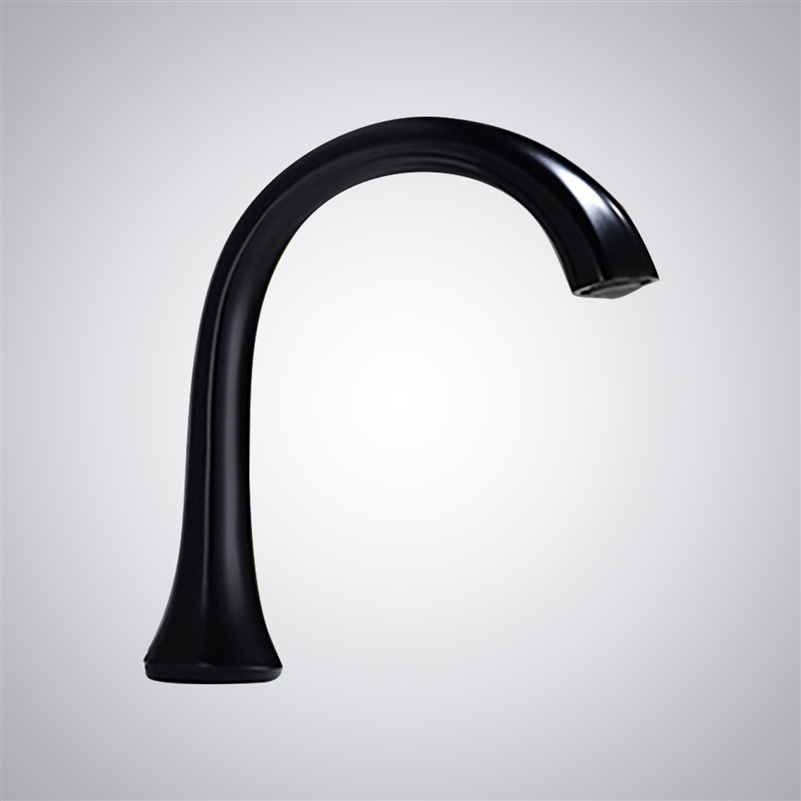
2. Commitment to Design and Performance
Fontana combines advanced engineering, including Time-of-Flight (ToF) sensors and IP76-rated battery systems, with architecturally appealing finishes such as Matte Black, Brushed Gold, and Polished Chrome. This approach allows design professionals to achieve both functional reliability and elevated visual appeal in restrooms, lobbies, wellness spaces, and healthcare environments.
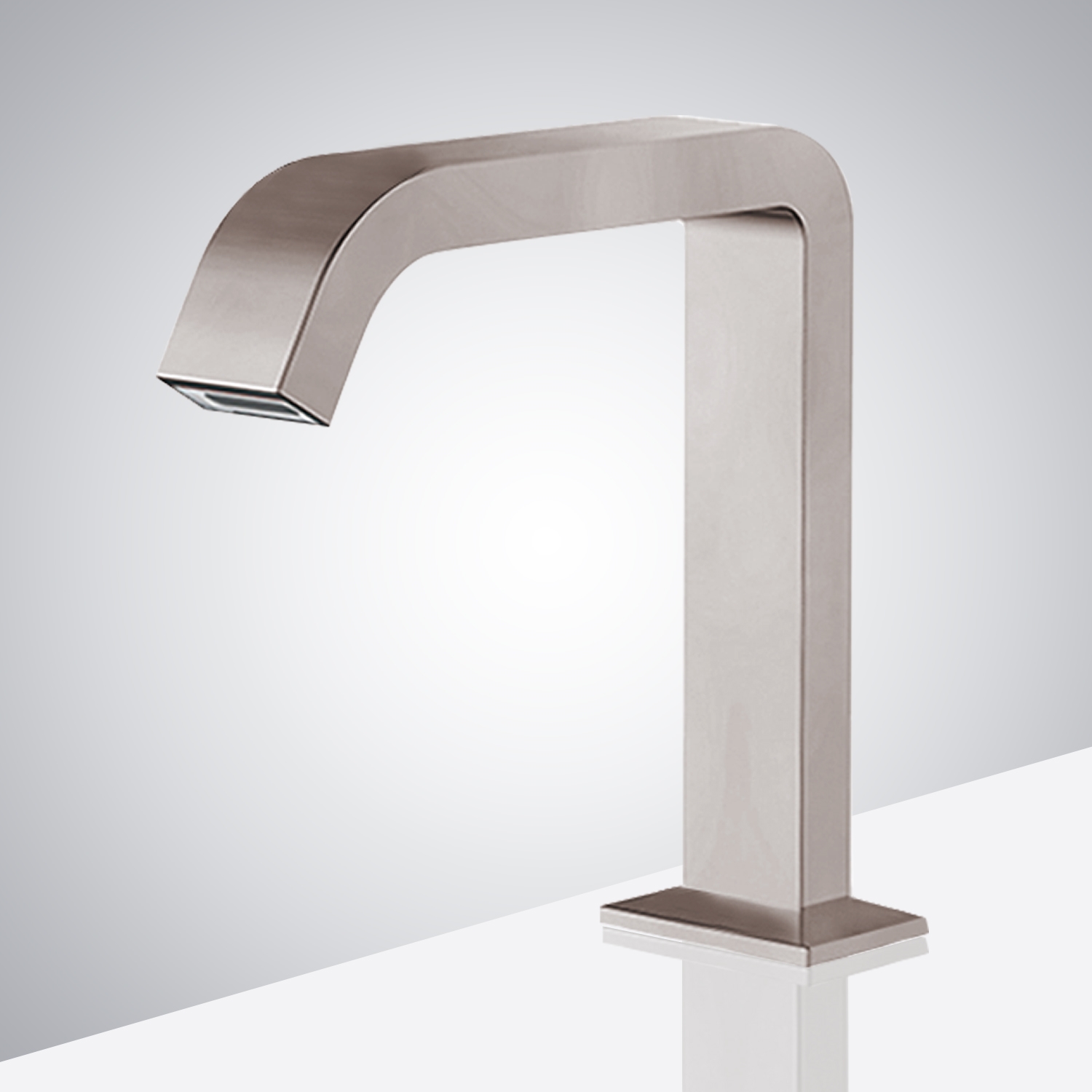
3. Designed for Heavy Traffic Commercial Settings
Fontana products have anti-vandal protection, industrial-grade brass interiors, and low-maintenance multifeed systems for soap dispensers. Its solutions are installed at airports, stadiums, universities, and hospitals with a track record of proven durability and reliable performance in high-use public areas.
4. Comprehensive Specification Support
Fontana provides:
- BIM/Revit/CAD files
- Detailed submittal sheets
- Finish samples upon request
- Custom fabrication options
- Dedicated architectural reps
The assistance supports architects and specifiers to effectively integrate Fontana products in their documentation and projects.
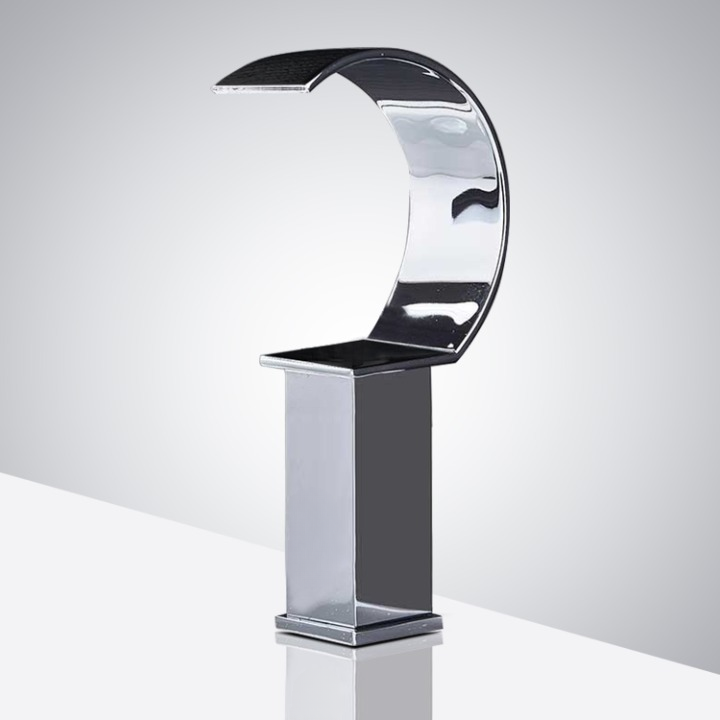
5. Consistent Client Satisfaction
Through different roles, architects, interior designers, MEP contractors, and facility managers, Fontana is known for:
- Quick sensor activation with few false alarms
- Sleek, contemporary designs that enhance modern spaces
- Longer battery life and efficient use of water
- Outstanding post-specification service
Conclusion Take
Fontana Touchless Faucets is not just a product, it is a solution platform trusted by design professionals who demand style, sustainability, and performance. With successful results, a dialog-driven architect process, and customizable flexibility, Fontana is the leading brand in commercial restroom design.


Why Touchless Faucets Are Becoming a Standard in Commercial Architecture
Touchless faucets have become a standard specification in modern commercial restroom design. Architects and facility planners increasingly prioritize sensor-operated fixtures because they reduce physical contact, improve hygiene standards, and support water conservation goals. In high-traffic environments such as airports, hospitals, office towers, and universities, reliable automatic faucets help maintain sanitation while lowering long-term maintenance costs.

Sensor-activated faucets are also increasingly included in sustainable building specifications. Many models are designed to meet ADA accessibility requirements and contribute to LEED-focused water efficiency strategies. As a result, architects and interior designers often select touchless faucet systems that combine dependable sensor technology with contemporary finishes that match modern restroom aesthetics.
For design professionals, specifying the right commercial faucet involves balancing durability, ease of installation, and compatibility with project documentation such as BIM or CAD models. Products designed for architectural specification typically provide detailed submittal data, multiple finish options, and performance features engineered for heavy daily use in public facilities.

Lina Farrow is a staff writer and editorial team member at architecturalfaucets.com. Her work focuses on faucet specifications, materials, installation requirements, and project planning, helping the editorial team turn manufacturer resources, product data, published guidance, and attributable references into practical information for architects, designers, specifiers, and project professionals.