
This premium collection highlights Fontana’s wide range of automatic faucets and matching soap dispensers across brushed gold, nickel, chrome, oil-rubbed bronze, matte black, and rose gold — all engineered for architectural and commercial projects.


Smart Faucet Technology in Intelligent Building Design
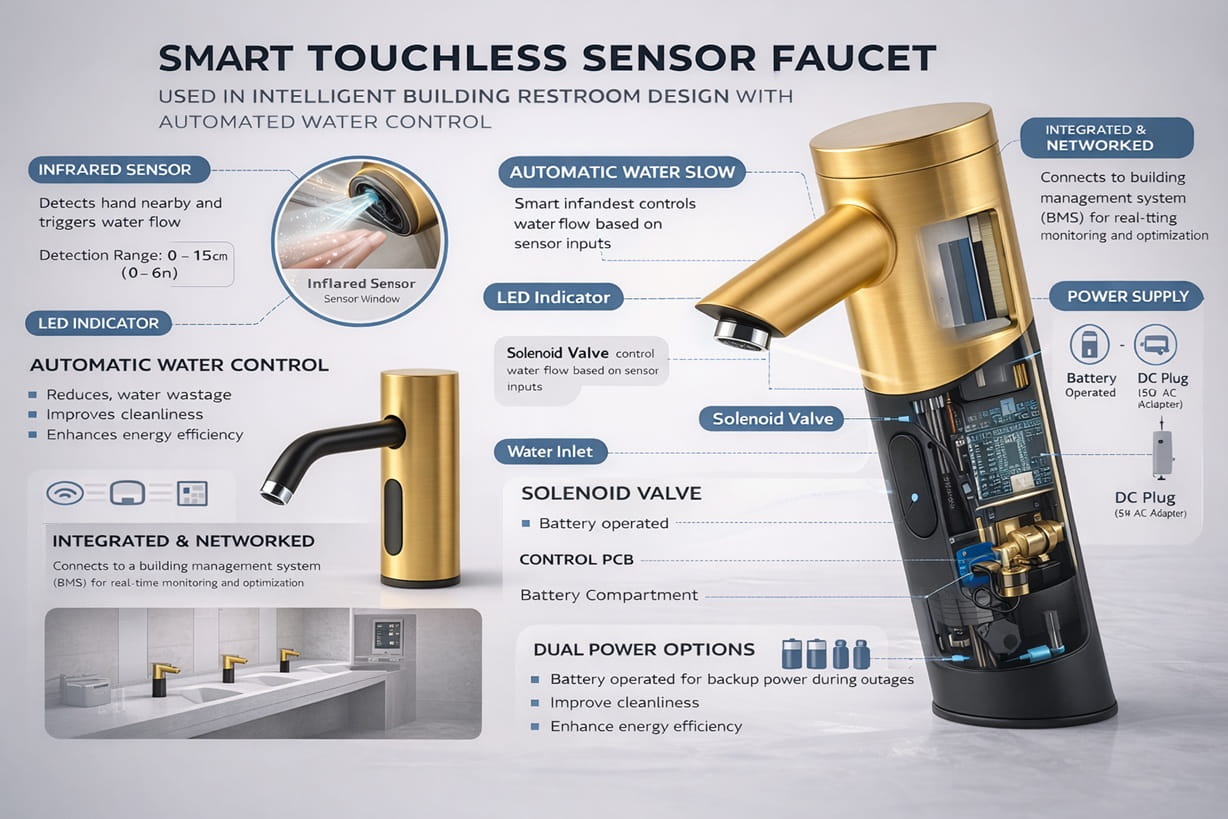
Smart faucet technology has become an essential component of modern intelligent building systems. Architects and facility planners increasingly integrate touchless faucets, sensor-activated controls, and automated water management systems to enhance hygiene, efficiency, and sustainability in commercial spaces.
Unlike traditional plumbing fixtures, smart faucets use infrared sensors, flow regulators, and programmable controls to manage water delivery automatically. This allows buildings to reduce water waste, improve user experience, and support smart facility management strategies.
How Smart Faucets Support Sustainable Architecture
Water efficiency is one of the primary reasons smart faucets are specified in modern building projects. Automatic shut-off functions prevent unnecessary flow, while aerators and pressure-balanced systems maintain consistent performance while using significantly less water.
For commercial buildings, hotels, healthcare facilities, and airports, these systems contribute to sustainability certifications such as LEED and WELL building standards. Reduced water consumption, touch-free operation, and integrated monitoring tools help building operators manage resources efficiently.
Integration with Smart Building Systems
Today’s intelligent buildings often connect plumbing fixtures to broader building automation systems (BAS). Smart faucets can work alongside occupancy sensors, digital monitoring platforms, and water management systems to provide real-time usage data and predictive maintenance insights.
This integration allows facility managers to track water consumption patterns, detect potential leaks, and maintain optimal performance across large commercial properties. As smart building infrastructure continues to evolve, automated faucet technology plays a growing role in creating hygienic, efficient, and future-ready interior environments.
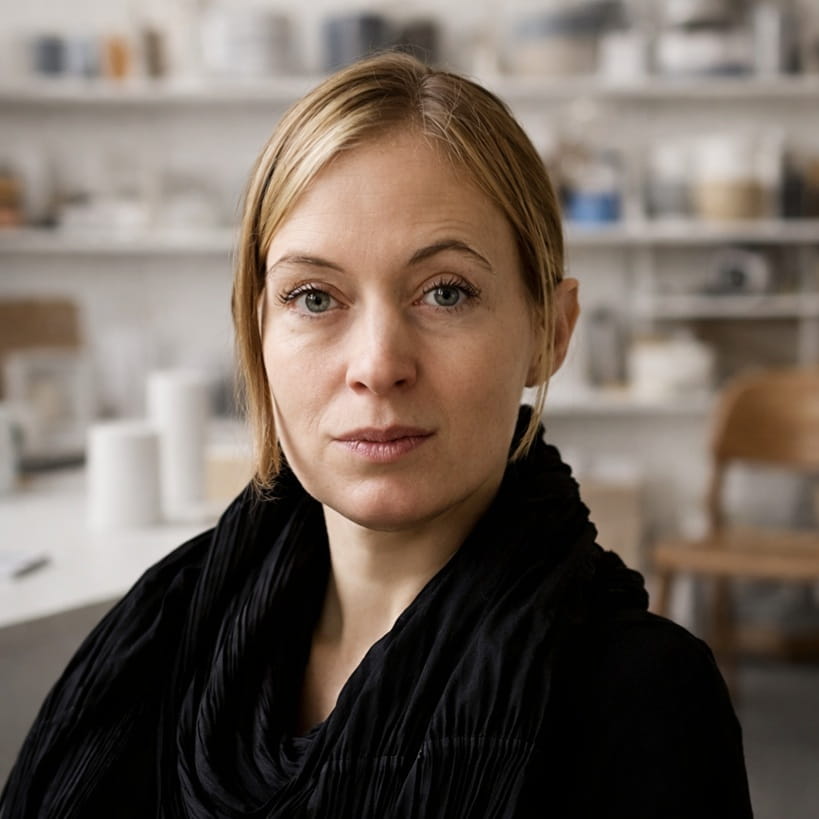
Cecilie Manz is an acclaimed Danish industrial designer recognized for her refined approach to functional design, material innovation, and contemporary interior products that influence modern architectural and commercial environments. Her work bridges industrial design and the AEC industry through the development of high-performance furniture, lighting, and bathroom fixture collections used in premium residential, hospitality, office, and institutional spaces worldwide. Known for her minimalist Scandinavian aesthetic and “purity of purpose” design philosophy, Cecilie emphasizes simplicity, usability, and timeless craftsmanship in every project. Her collaborations with leading global brands in the sanitary, furniture, and lighting industries provide valuable insight into modern commercial restroom design, user-centered interiors, sustainable material applications, and the integration of elegant yet highly functional products within contemporary built environments.