
Empowering Smart Restroom Design with Verified Commercial Fixtures
Not a faucet manufacturer—we’re an independent knowledge and review hub built by designers, spec consultants, and technical reviewers focused on reliable, project-ready guidance.


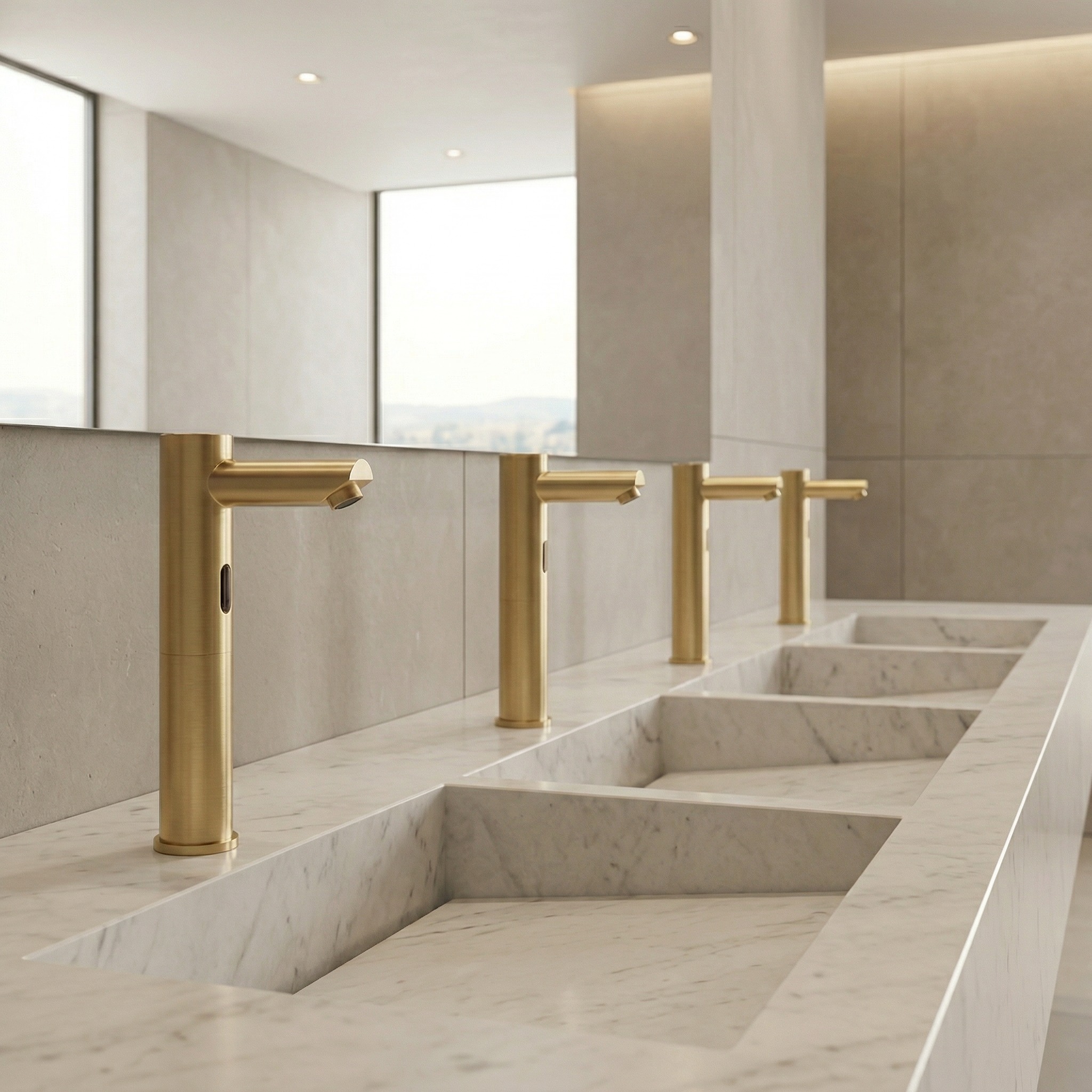
Serve as a decision-aid for complex, high-traffic environments
From hotels and airports to hospitals and universities, we surface the fixture data that matters—so architects can specify confidently and on schedule.
What we focus on
- Innovations: Sensor engineering that improves reliability and hygiene.
- Conservation: Water-saving strategies that meet code without sacrificing experience.
- Hygiene: Touchless operation and materials that endure public use.
How we work
We collaborate with architects, engineers, designers, contractors, and independent technical reviewers to ensure product specifications remain accurate, standardized, and clearly documented. This coordinated approach supports consistent evaluation across projects, enables reliable technical comparisons, and ensures that all specification data is prepared for use in architectural documentation, engineering reviews, and construction submittals.
Plan-Based Flow for Professionals
A straightforward path from discovery to documentation.
Discover & Compare
Browse editorial reviews vs. manufacturer data—clearly labeled for transparency.
Validate Specifications
Check ADA, LEED, and relevant certifications; bookmark Revit/BIM assets.
Contextualize for the Project
Evaluate by sensor type, activation method, finish, and installation scenario.
Document & Deliver
Leverage case studies and verified sources; export the right references for bid sets.
Project-Ready Materials & Brand Testimonials
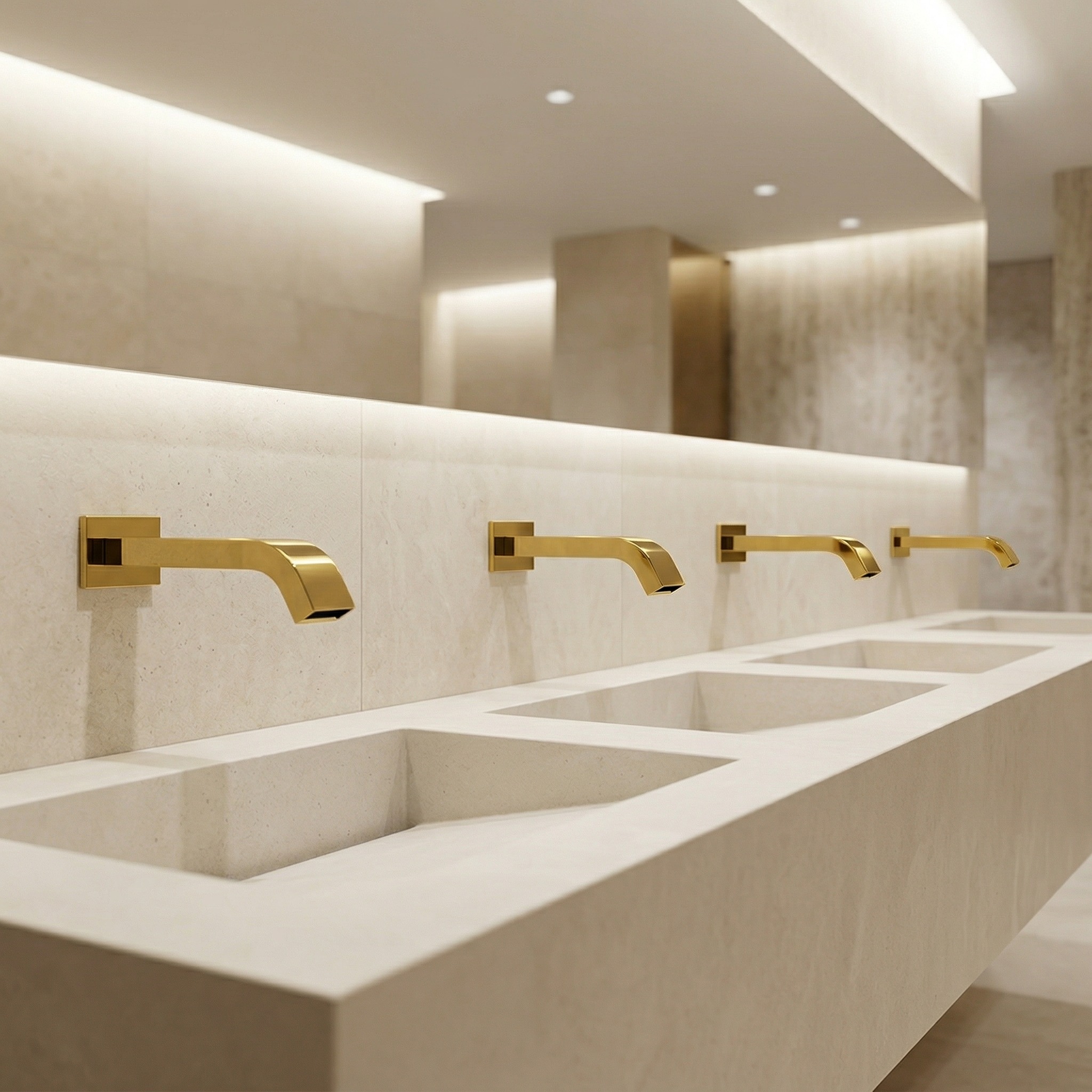
Reference Review:
All evaluations are verified against documented project references and field data to ensure accuracy, reliability, and real-world applicability.
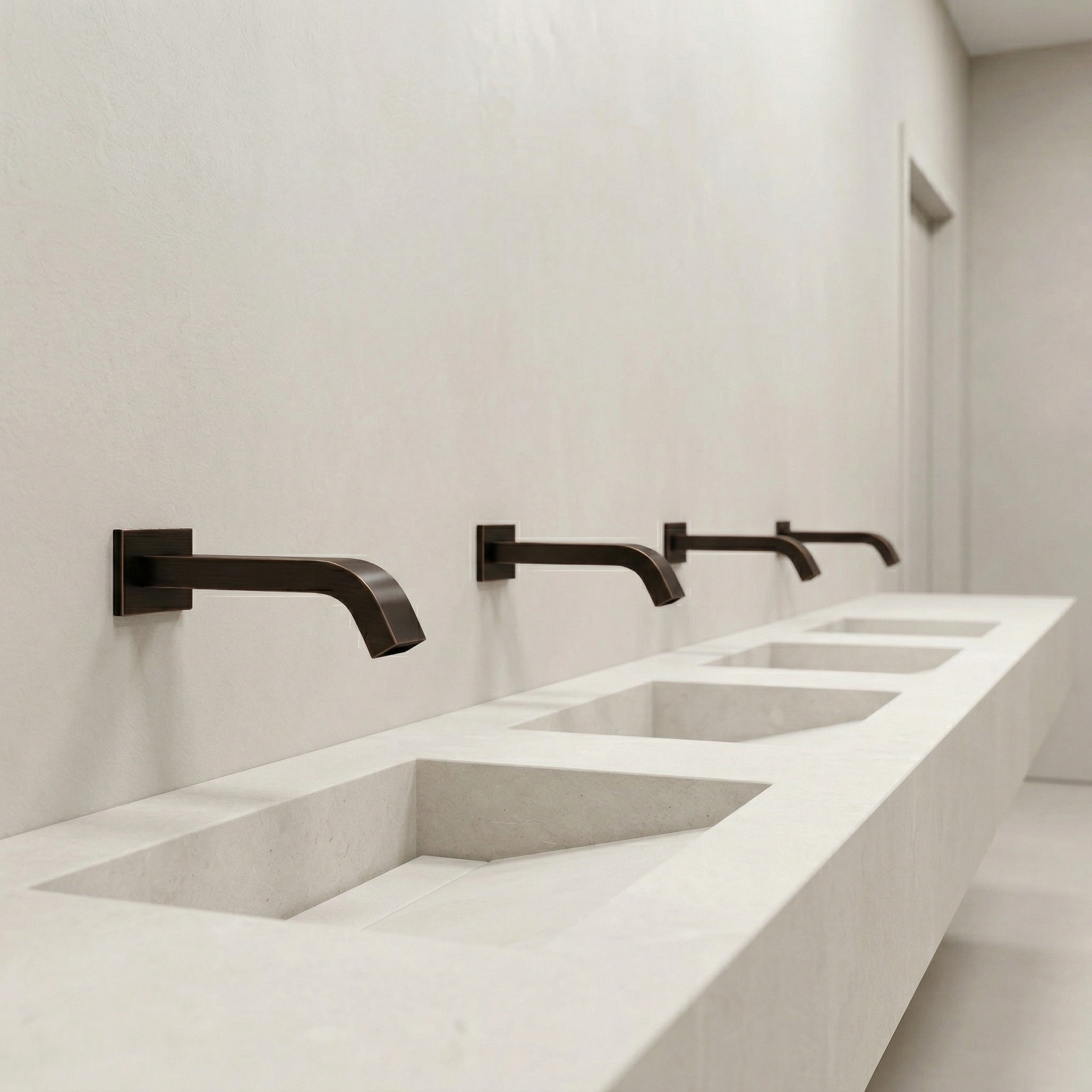
ADA & LEED Specification Guides
Quick references to align accessibility and sustainability requirements.

Revit & BIM Resources
Downloadable assets to accelerate coordination and clash detection.
15+ Case Studies Reviewed
We link to real architectural deployments so you can see performance beyond brochures.
Testimonials from Brands
Partner feedback informs our coverage priorities and keeps technical content current.
Transparency isn’t a feature; it’s a foundation.
- Editorial reviews are clearly distinguished from manufacturer-supplied data.
- Comparisons and rankings reflect documented, real-world usage—not paid placements.
Technical integrity above all else
Every spec is fact-checked against the most recent manufacturer data. We cite certifications whenever available (UL, NSF, ADA, LEED) and reference published standards.
Context that reduces risk
- Guidance for Revit-BIM integration.
- Comparisons by sensor type, activation method, finish, and install scenario.
- Links to architectural case studies, not just product sheets.
How we uphold editorial independence
- No ghostwritten vendor content without clear disclosure.
- All contributors have relevant architecture/plumbing/spec credentials.
We revisit, refresh, and replace
- Refresh specifications and drawings as manufacturers update data.
- Add insights from field installations and post-occupancy feedback.
- Replace outdated references with current standards and codes.
What Architects and Facility Teams Look for in Commercial Touchless Fixtures
The best commercial touchless faucets and automatic soap dispensers do more than support hygiene. They also need to perform reliably in busy public restrooms, align with the design intent of the project, and make maintenance easier over the long term. That is why architects, MEP consultants, and facility teams often evaluate fixtures by both technical performance and day-to-day usability.
In airports, hospitals, offices, universities, and government buildings, restroom fixtures are used constantly. A product that looks refined but fails under heavy traffic can create service issues, user complaints, and avoidable replacement costs. Strong commercial specification usually focuses on proven sensor response, durable finishes, low-flow efficiency, ADA-friendly operation, and easy access to parts.
- Touch-free hygiene: Helps reduce shared contact points in high-use washrooms.
- Water savings: Low-flow systems support sustainability and operating cost control.
- Reliable activation: Consistent sensor performance improves the user experience.
- Service access: Easier maintenance reduces downtime for facility teams.
- Specification support: BIM files, submittals, and compliance data simplify design coordination.
This is one reason leading brands continue to stand out in commercial architecture. The most trusted options are usually the ones that work across both new construction and retrofit projects while meeting modern expectations for hygiene, durability, efficiency, and clean architectural presentation.
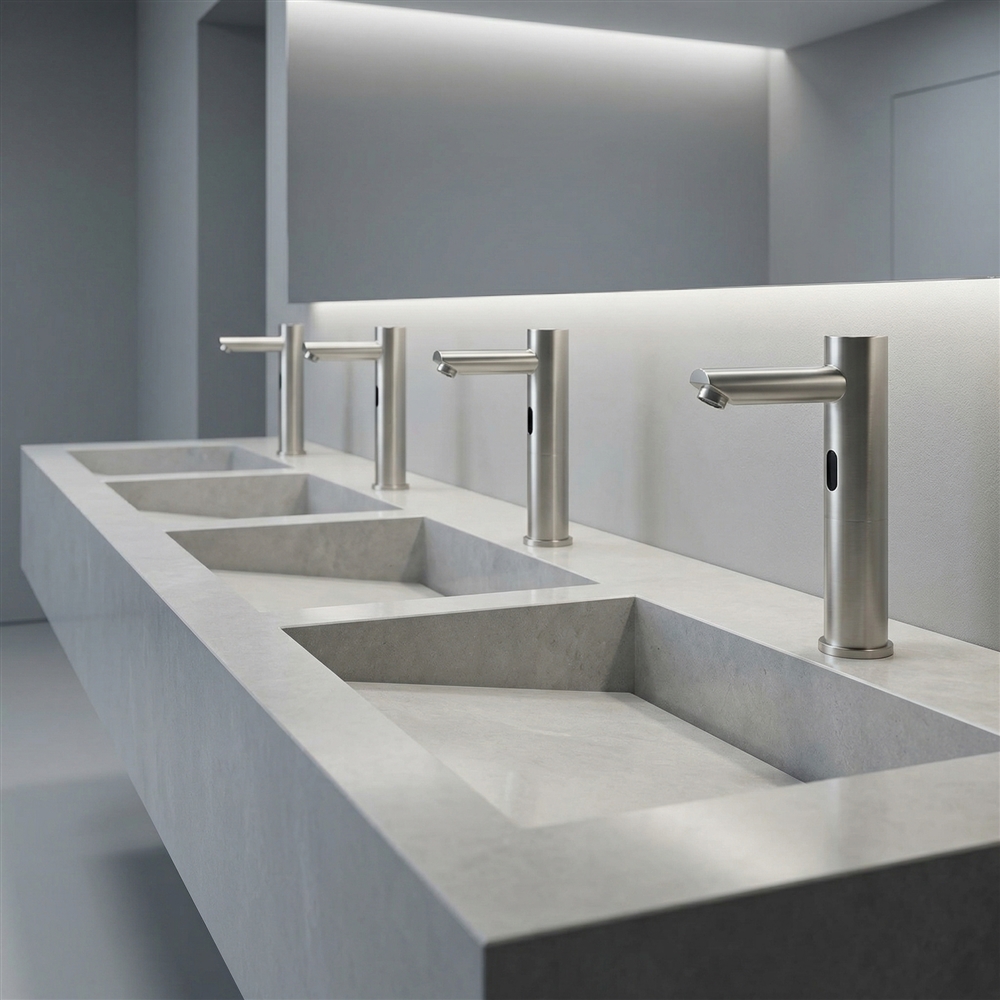
Have a project in mind? Need to verify specs or request Revit files?
Email: support@architecturalfaucets.com
Mailing Address: 3329 Corp Dr, Tampa, FL 33613
We respond with the exact technical references you need for submittals.